
APSDP Solutions - Smart Business Solutions | GSTIN: 21AWAPD7777M3ZA
APSDP Solutions - Smart Business Solutions | GSTIN: 21AWAPD7777M3ZA


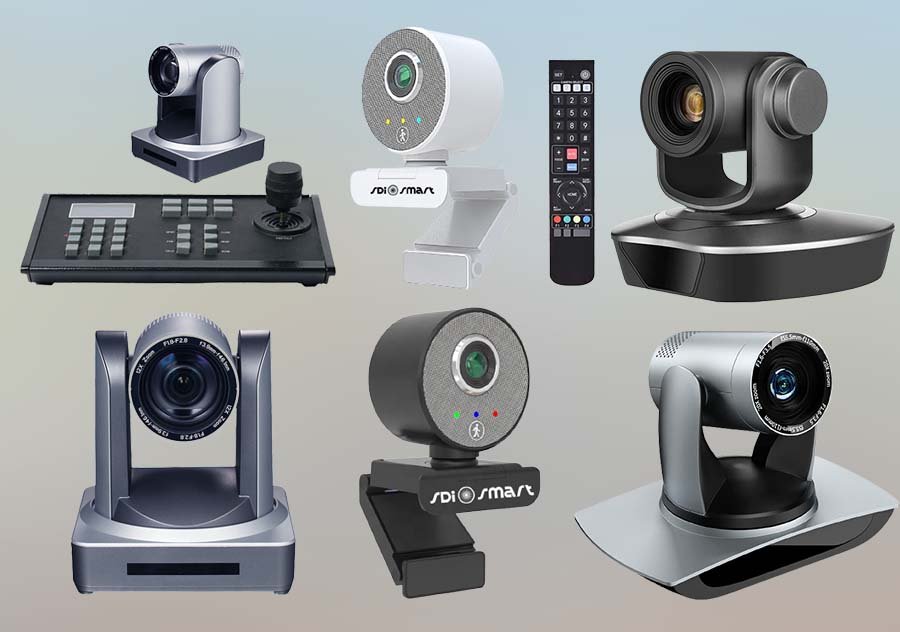
Protect your premises with CCTV and video surveillance solutions from APSDP Solutions. Explore dome, bullet, PTZ, IP and 4K CCTV camera options for schools, colleges, offices, hotels, retail stores and commercial properties. Contact APSDP Solutions in Bhubaneswar for suitable camera configurations, recording options and surveillance system quotations across Odisha.
APSDP Solutions offers CCTV and video surveillance product options for businesses, educational institutions, retail establishments, hotels, offices and other commercial environments in Bhubaneswar and across Odisha.
A Closed-Circuit Television (CCTV) system uses cameras and associated equipment to capture video from selected areas for monitoring and, where supported, recording. Depending on the configuration, authorised users may be able to view live footage, review recorded events and access camera feeds remotely.
A well-planned video surveillance system can help organisations monitor entrances, reception areas, corridors, parking facilities, storage areas, retail counters and other important locations. The right configuration depends on the property layout, lighting conditions, coverage requirements, recording period and security objectives.
Whether you need CCTV cameras for a school, a hotel, a retail store, a warehouse or a corporate office, APSDP Solutions can help you explore suitable product options based on your requirements.
A CCTV surveillance system is a combination of cameras and supporting equipment used to capture, transmit, display and record video from designated areas.
A typical system may include cameras, a Digital Video Recorder (DVR) or Network Video Recorder (NVR), storage drives, cabling, network equipment, power supplies and a viewing monitor. The exact components depend on whether the system uses analogue HD cameras, IP cameras or another supported architecture.
Modern IP CCTV systems can transmit video over an IP network. Depending on the equipment and configuration, they may also support remote viewing, event notifications, motion detection and video analytics.
For organisations planning a new installation, selecting the right combination of cameras, recording equipment, storage and network infrastructure is essential for achieving the intended coverage.
Dome cameras have a rounded housing and are commonly used indoors in offices, classrooms, reception areas, shops and corridors. Their compact design can suit locations where a discreet camera appearance is preferred.
When choosing a dome camera, consider its image resolution, viewing angle, low-light performance and suitability for the intended environment. Outdoor use requires a model specifically rated for those conditions.
Bullet cameras have an elongated housing and are commonly used for direction-focused monitoring of entrances, building perimeters, parking areas, loading zones and outdoor approaches.
The visible housing can make the intended surveillance area more apparent. Select a model with suitable weather protection, night-vision capability and mounting options for the installation location.
PTZ stands for Pan, Tilt and Zoom. PTZ cameras allow the viewing direction and zoom level to be adjusted remotely when supported by the camera and control system.
They may be suitable for larger spaces where operators need to observe different areas using a movable camera. A PTZ camera does not necessarily capture every direction at the same time, so fixed cameras may still be needed to maintain continuous coverage of multiple areas.
Internet Protocol (IP) cameras transmit video through a network and are commonly used in modern surveillance installations.
Depending on the model, IP cameras can offer high-resolution imaging, network connectivity, Power over Ethernet (PoE), remote viewing and intelligent detection features.
Compatibility with the recorder, network bandwidth, storage capacity and cybersecurity configuration should be considered when planning an IP CCTV system.
4K CCTV cameras offer high-resolution video capture on supported models. Higher resolution can help preserve image detail, particularly when the scene is appropriately lit and the camera is correctly positioned.
However, 4K resolution alone does not guarantee that a person or object will be identifiable in every situation. Lens selection, field of view, distance, lighting, frame rate, compression and recording settings also affect the usable footage.
Choose 4K cameras when the application justifies the additional storage, bandwidth and processing requirements.
Camera resolutions vary by model. Select a suitable resolution based on the required image detail, monitoring distance and available storage capacity.
Depending on the model, cameras may use infrared illumination, low-light imaging or colour night-vision technology. Check the actual night-vision range and operating conditions before purchase.
Compatible systems may allow authorised users to view live feeds or recordings through supported software or mobile applications. Remote access depends on the recorder, camera, network configuration and security settings.
Supported cameras and recorders can detect movement and generate alerts. More advanced models may provide people or vehicle detection, but these capabilities are model-specific and should be confirmed before purchase.
DVRs and NVRs can record footage to supported storage devices. Recording capacity depends on the number of cameras, resolution, frame rate, compression, recording schedule and installed storage.
IP camera systems may use Ethernet connections and, where supported, Power over Ethernet. Other cameras may require separate power and video connections. Plan cabling, network equipment and power supplies according to the selected system.
If you expect to add cameras later, check the recorder's channel capacity, network capacity, storage options, software compatibility and available ports before choosing a configuration.
Cameras can provide visibility into entrances, reception areas, workspaces, corridors, parking zones and other designated locations.
When footage has been recorded and retained, authorised personnel may be able to review events to understand what happened and when.
Visible surveillance can act as a deterrent in some environments. Its effectiveness depends on the location, system design, signage, operating procedures and wider security arrangements.
Businesses can use authorised surveillance footage to review selected operational events, subject to applicable privacy and workplace policies.
When appropriately configured, CCTV can complement access control, alarms, security personnel and other protection measures.
Supported systems can provide remote access to authorised users, helping them check designated locations without being physically present.
CCTV is a supporting security measure, not a guarantee that theft, unauthorised access or other incidents will be prevented.
Monitor designated entrances, corridors, reception areas, parking facilities and other appropriate campus locations.
Support surveillance of entrances, reception areas, service corridors, parking zones and selected common areas.
Monitor designated access points, reception areas, corridors and other approved worksite locations.
Monitor entrances, checkout counters, display areas, stockrooms and delivery points.
Provide visibility into loading areas, storage zones, dispatch points and facility entrances.
Monitor selected access points, perimeter areas, production spaces and material-handling locations where appropriate.
Support monitoring of entrances, shared corridors, parking facilities and other common areas.
Camera placement should respect privacy, access permissions and applicable laws. Cameras should not be placed in areas where people reasonably expect privacy.
Identify the areas requiring monitoring, entry and exit points, lighting conditions, mounting locations and potential obstructions. A site assessment can help determine camera placement and coverage.
Select dome cameras for suitable indoor applications, bullet cameras for direction-focused monitoring, PTZ cameras for adjustable viewing and IP cameras where network-based surveillance is required.
These are general guidelines. The right camera depends on the actual environment and the selected model.
Consider the level of detail needed for the intended monitoring distance. Higher resolutions may require more bandwidth and storage.
Check lighting conditions and the camera's low-light or infrared capabilities. Confirm whether additional lighting is required for the scene.
Choose a recorder compatible with the cameras and required number of channels. For network systems, consider recording performance, network capacity and available features.
Decide how many days of footage you need to retain. Recording duration depends on the number of cameras, resolution, compression, frame rate, recording schedule and storage capacity.
For IP systems, plan network bandwidth, PoE requirements, secure remote access, account permissions and firmware maintenance.
Plan cabling, power, mounting, recorder placement, testing and user training. Confirm installation scope, warranty terms, maintenance arrangements and technical support availability before ordering.
APSDP Solutions serves businesses and institutions looking for CCTV cameras and related security technology in Bhubaneswar and across Odisha.
We understand that a small retail shop, a school campus, a hotel and a large commercial facility have different surveillance requirements. Camera selection and system design should reflect the site's layout, required coverage, recording period, budget and operating environment.
Depending on the project and available services, requirements may include dome, bullet, PTZ, IP or 4K CCTV cameras, recording equipment, storage, network components and associated accessories.
Contact APSDP Solutions to discuss your surveillance objectives, camera quantity, preferred features and installation location. These details can help establish a suitable product configuration and quotation.
Business and institutional applications: Product options for schools, colleges, offices, hotels, retail stores and commercial properties.
Multiple camera categories: Explore dome, bullet, PTZ, IP and 4K camera options, subject to availability.
Requirement-based selection: Choose equipment according to site conditions, coverage and recording needs.
Related security products: Explore complementary access control, biometric and automation solutions where required.
Odisha market focus: Serving customers across Bhubaneswar and other locations in Odisha.
Confirm current camera models, stock availability, supported features, installation coverage, warranty and service terms with APSDP Solutions before placing an order.
Planning a CCTV installation or upgrading an existing surveillance system?
Contact APSDP Solutions to discuss a configuration suitable for your premises. Share your location, property type, approximate camera count, indoor and outdoor coverage requirements, preferred recording duration and any remote-monitoring needs.
Our team can help you explore relevant product options and request a quotation based on your requirements.
APSDP Solutions — Smart Technology. Integrated Solutions.
Website: https://apsdpsolutions.in
A CCTV video surveillance system uses cameras and supporting equipment to monitor selected areas and, where configured, record video for later review. It can be used in schools, offices, shops, hotels, warehouses and commercial properties.
Common types include dome cameras, bullet cameras, PTZ cameras, IP cameras and 4K CCTV cameras. Each type has different characteristics, and the right choice depends on the installation environment and monitoring requirements.
An IP camera transmits video over an IP network. Traditional analogue CCTV cameras transmit video using an analogue video system. The recording equipment, cabling and compatibility requirements differ between system types.
Many CCTV cameras support night-time monitoring using infrared illumination, low-light imaging or other supported technologies. Performance depends on the camera model, available light, installation conditions and specified night-vision range.
Many compatible CCTV systems support mobile viewing through an application or other authorised remote-access method. The feature depends on the camera, recorder, internet connection and system configuration.
The required number depends on the premises' layout, entrances, coverage areas, lighting and monitoring objectives. A site assessment can help determine suitable camera positions and quantities.
A DVR generally records video from compatible analogue CCTV cameras, while an NVR is designed for network video streams from compatible IP cameras. Recorder selection depends on camera type, system architecture and required features.
Storage duration depends on the installed storage capacity, number of cameras, resolution, frame rate, compression and recording schedule. Specify your required retention period when planning the system.
A 4K camera captures more image detail than a lower-resolution camera under suitable conditions. However, the best option depends on viewing distance, lighting, bandwidth, storage costs and the level of detail required.
Yes. CCTV can help monitor appropriate campus areas, including entrances, corridors, reception areas and parking facilities. Schools and colleges should establish suitable access controls, retention policies and privacy safeguards.
Compatible CCTV and access control systems may be integrated to support coordinated security monitoring. Integration depends on the devices, software, network and supported interfaces.
The cost depends on camera type, quantity, resolution, recorder, storage, cabling, network equipment, installation complexity, warranty and support arrangements. Request a quotation based on your site's actual requirements.
APSDP Solutions focuses on serving customers across Odisha, including Bhubaneswar, Cuttack, Puri, Rourkela, Sambalpur and Berhampur. Confirm current product availability and installation or delivery coverage for your specific location.
Partner with us to design, build, and scale intelligent digital solutions.