
APSDP Solutions - Smart Business Solutions | GSTIN: 21AWAPD7777M3ZA
APSDP Solutions - Smart Business Solutions | GSTIN: 21AWAPD7777M3ZA


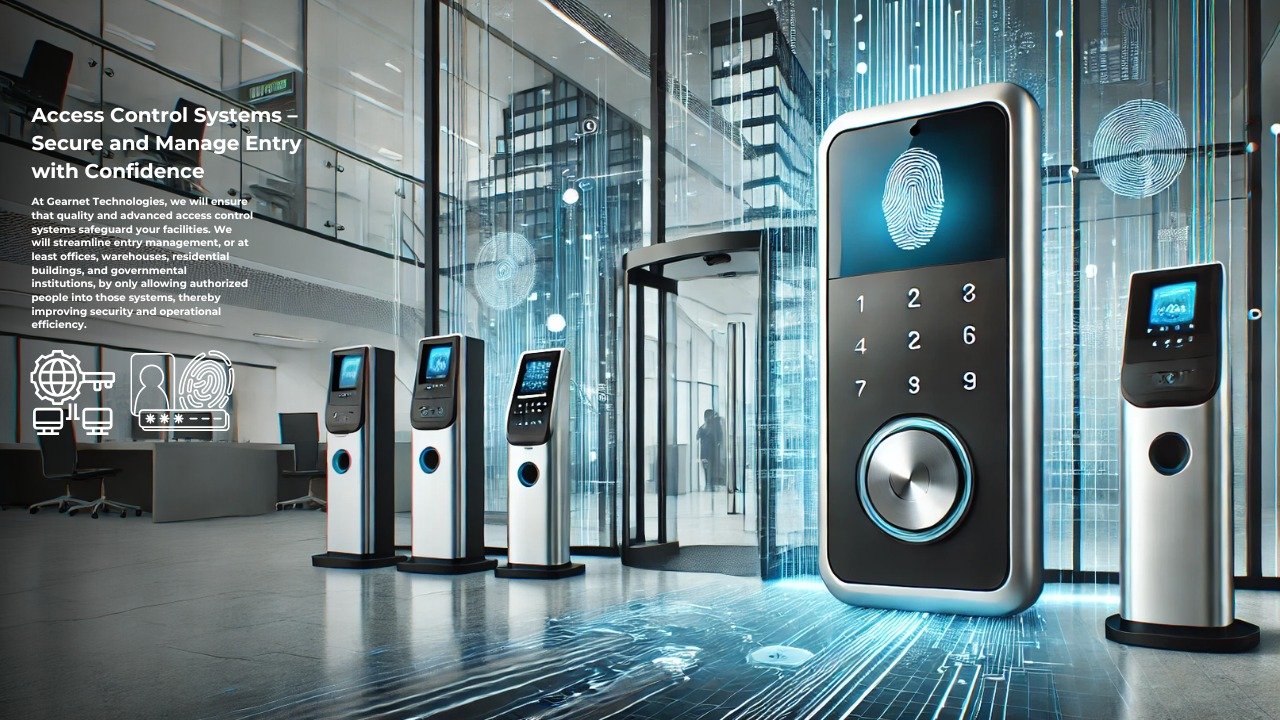
Access control products for offices, schools, colleges, hotels, and commercial buildings. Explore biometric readers, RFID devices, door controllers, and access management solutions from APSDP Solutions in Bhubaneswar, Odisha.
APSDP Solutions provides access control products and integrated security technology options for businesses, educational institutions, hotels, commercial properties, and other organizations across Odisha. Based in Bhubaneswar, we help customers explore access control technologies designed to manage entry permissions, support authorized access, and improve control over restricted areas.
Access control systems help organizations determine who can enter a particular door, room, office, or facility and, depending on the system, when access is permitted. Depending on the selected configuration, credentials may include fingerprints, facial recognition, RFID cards, PIN codes, or other supported authentication methods.
Whether you need an access control device for a single office entrance or a coordinated system for multiple access points, the right product selection depends on your security requirements, number of users, door type, existing infrastructure, and integration needs.
Biometric access control devices use supported biometric characteristics to verify a person's identity before granting access. Common options include fingerprint-based and facial-recognition devices.
These products may be suitable for office entrances, staff-only areas, administrative rooms, laboratories, and other restricted spaces. Available features depend on the selected model and configuration.
RFID access control readers use compatible cards, key fobs, or other supported credentials to authenticate users. They can be considered for employee entrances, office doors, staff facilities, and controlled-access areas.
Before choosing an RFID reader, confirm its supported credential type, operating frequency, communication interface, and compatibility with the intended controller.
Fingerprint access control devices verify enrolled fingerprints against the device's supported authentication system. Depending on the model, they may support user management, access schedules, event records, and attendance-related functions.
For installations requiring both access control and attendance recording, confirm whether the selected device supports both functions and the required software.
Face recognition access control devices can authenticate enrolled users using supported facial-recognition technology. They may be considered for offices, institutions, and commercial facilities that require convenient entry management.
Feature availability varies by product. Check the device's recognition method, environmental requirements, capacity, privacy controls, and integration compatibility before selection.
Access control panels and door controllers coordinate authentication devices and electronic door hardware. Depending on the system, they can manage one or more doors, apply access permissions, and record access events.
The correct controller depends on the number of doors, reader interface, locking hardware, power requirements, communication method, and desired system architecture.
Electronic locking products and associated accessories may include electromagnetic locks, electric strikes, exit buttons, door contacts, and emergency-release components.
These products must be selected according to the door construction, lock type, access controller, safety requirements, and applicable building or fire-safety provisions. Not every lock or accessory is compatible with every access control device.
Some projects require multiple products working together, such as biometric or RFID readers, controllers, electronic locks, and access management software. Larger installations may also require integration with attendance systems, CCTV, visitor management, or other security platforms.
Integration should be confirmed against the actual devices, software, interfaces, and project requirements before procurement.
Controlled entry: Apply access permissions to designated doors and restricted areas.
Flexible authentication: Choose from supported fingerprint, facial-recognition, RFID card, PIN, or other credential options.
User administration: Add, modify, or revoke access permissions where supported.
Access event records: Review available entry records when the selected system provides logging.
Scalable deployment: Select a suitable configuration for a single entrance or a multi-door facility.
Security integration: Connect compatible access control equipment with other systems where supported.
Actual capabilities depend on the products, software, installation design, and configuration selected.
Manage employee entry and restrict access to server rooms, records rooms, and other designated areas.
Support controlled access to administrative offices, staff-only areas, laboratories, and other restricted spaces. Select solutions appropriate for the institution's safeguarding and emergency procedures.
Explore access control for staff areas, offices, back-of-house spaces, and compatible door-locking applications.
Control access to stockrooms, cash-handling areas, management offices, and other designated spaces.
Manage entry to selected operational areas, storage rooms, and restricted facilities according to site access policies.
Consider suitable access readers and electronic locks for building entrances, offices, and other controlled-entry points.
Before selecting a product, evaluate:
Number of doors: Determine how many access points need to be controlled.
Authentication method: Choose biometric, RFID, PIN, or a supported combination.
User capacity: Check the device's supported user and credential capacity.
Door and lock compatibility: Verify the door type, lock hardware, power supply, and emergency-release requirements.
Software requirements: Confirm whether access logs, attendance, remote administration, or reporting are needed.
Integration requirements: Check compatibility with existing CCTV, attendance, visitor management, or other systems.
Future expansion: Consider whether additional doors or users may be added later.
APSDP Solutions supports technology procurement enquiries from organizations in Bhubaneswar and across Odisha, including Cuttack, Puri, Rourkela, Sambalpur, and Berhampur.
If you are evaluating biometric access control devices, RFID readers, door controllers, electronic locks, or an integrated entry management system, contact APSDP Solutions to discuss your requirements and request suitable product options.
APSDP Solutions — Smart Technology. Integrated Solutions.
Contact our team to discuss your application, product compatibility, and quotation requirements.
1. What are access control products?
Access control products are devices and components used to manage entry to doors, rooms, buildings, or restricted areas. Examples include biometric readers, RFID readers, door controllers, electronic locks, and access management software.
2. What types of access control systems are available?
Common options include fingerprint-based systems, facial-recognition devices, RFID card readers, PIN-based devices, and integrated access control systems. Available functions vary by model.
3. Where can access control systems be used?
They can be used in offices, schools, colleges, hotels, retail stores, warehouses, commercial buildings, and other facilities that need controlled entry.
4. Can access control systems work with CCTV cameras?
Some access control systems can integrate with compatible CCTV or video management systems. Compatibility depends on the devices, software, and available interfaces.
5. Can one access control system manage multiple doors?
Yes, appropriately configured systems can manage multiple doors. The required controller capacity, reader count, software, wiring, and power arrangements must be confirmed for the project.
6. Where can I enquire about access control products in Bhubaneswar?
Contact APSDP Solutions in Bhubaneswar, Odisha, to discuss your requirements, explore suitable product options, and request a quotation.
Q1. What is the difference between biometric and RFID access control?
Biometric systems authenticate users using supported physical characteristics, such as fingerprints or facial recognition. RFID systems authenticate compatible cards or tags. The appropriate option depends on convenience, security policies, user requirements, and budget.
Q2. Can access control devices also record employee attendance?
Some devices support both access control and attendance functions. Confirm the device's software, reporting features, and integration requirements before purchasing.
Q3. Do I need a separate controller for every door?
Not always. Some systems support multiple doors through a suitably sized controller, while other configurations use individual door controllers. The system design determines what is required.
Q4. Can existing doors be fitted with access control?
In many cases, existing doors can be adapted, but suitability depends on door construction, locking hardware, wiring, power, and safety requirements.
Q5. Can access permissions be changed when an employee leaves?
Systems with user administration allow authorized administrators to revoke or modify credentials. The exact process depends on whether permissions are managed locally or through software.
Q6. What should I check before buying an RFID reader?
Confirm the supported card or tag technology, frequency, communication interface, controller compatibility, environmental requirements, and intended application.
Q7. Can access control be used for a school or college?
Yes. It can help manage access to selected offices, laboratories, staff-only areas, and other restricted locations. The design should also account for student safety, emergency exits, and institutional policies.
Q8. How can I request a quotation from APSDP Solutions?
Share the application, number of doors, preferred authentication method, existing hardware, and any software or integration requirements with APSDP Solutions to help identify suitable options.
Partner with us to design, build, and scale intelligent digital solutions.